Ecommerce Interview Questions: What They Ask Coordinators, Specialists, and Managers
On this page
"Conversion rate dropped overnight. Walk me through what you check first."
If you interview for any ecommerce job above entry level, some version of that question is coming. Nobody expects you to know their analytics setup. They want to see whether you guess or work the problem in order.
Most people guess. They say "maybe the ads changed" and then start listing theories. The person who gets the offer says "first I'd check whether it's real," and then walks through it like they've done it before.
Most ecommerce interviews go like that. The questions are predictable, and what they're listening for is how you think about a store as a machine that makes money. I've grouped them by level, with sample answers for the handful that sink candidates.
What every ecommerce interview is checking
Strip away the job title and there are two things on the table.
Do you understand how the store makes money? Traffic, conversion rate, average order value, margin. If you can talk about how those four connect, you sound like someone who's worked in ecommerce even if you haven't.
Can you be trusted with the live site? A wrong price is real money gone in an hour, and a promo code that stacks with another one can wipe out a weekend's margin. They're listening for a habit of testing before you publish.
The level changes how deep they go. A coordinator mostly gets asked about process, and a manager gets asked about tradeoffs and people.
If you're still figuring out which level to aim for, my breakdown of ecommerce jobs and what each one pays is a good place to start.
Ecommerce coordinator interview questions
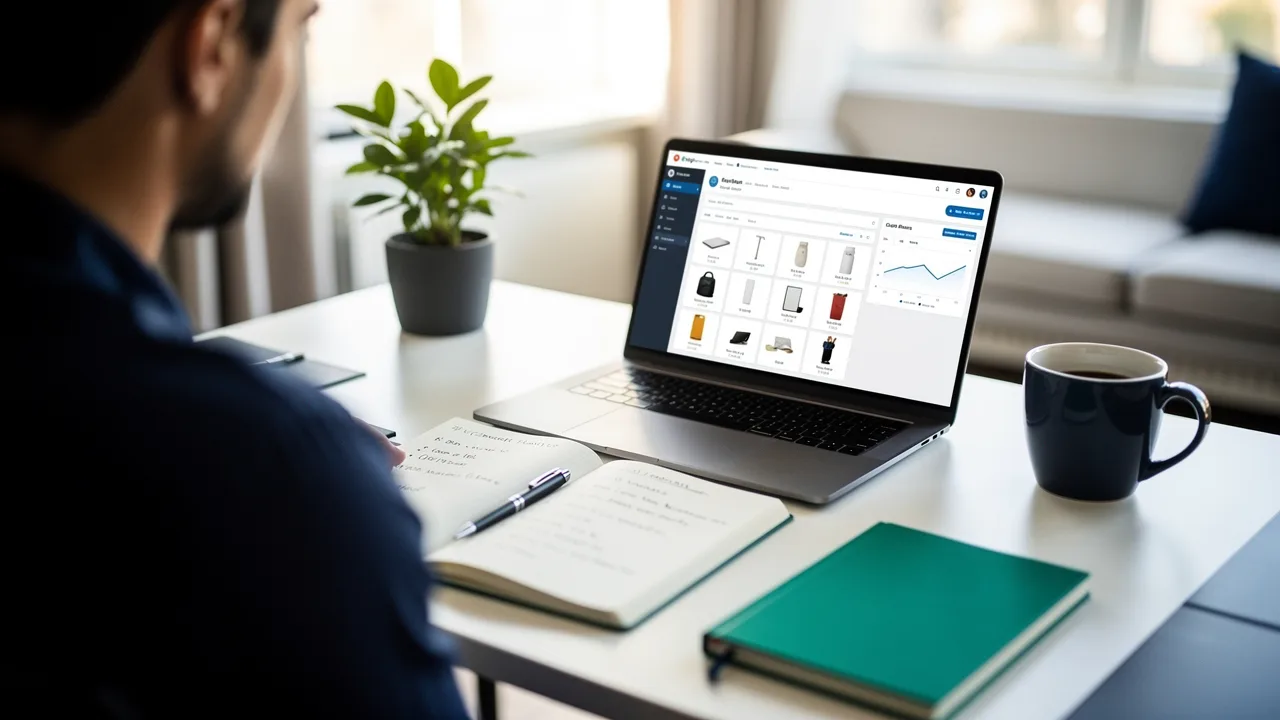
Coordinator interviews are about reliability. The ecommerce coordinator title covers a lot of different jobs, but nearly all of them involve keeping launches and product data on schedule. Expect questions like these:
- Walk me through how you'd add 50 new products to the store.
- A product page is live with the wrong price. What do you do?
- What would you check on a product page before it goes live?
- Have you used a spreadsheet to update products in bulk? How did you make sure it didn't break anything?
- A customer emails saying a discount code isn't working. How do you troubleshoot it?
- How do you handle two people asking you for urgent things at the same time?
A strong answer here is a sequence: steps, in order, with a check at the end.
The bulk upload question is where coordinators win or lose. A weak answer is "I'd upload a CSV." A strong one sounds like this:
"I'd start from an export of a couple of existing products so the columns and formatting match what the store expects. I'd fill in the new rows, then import a small test batch of two or three products first and check them on the live site: images, variants, price, inventory. If those look right, I'd import the rest, then spot-check a handful at random and confirm they're in the right collections. I'd keep the original export in case I need to roll back."
Nothing advanced. It just shows you won't break the catalog.
The wrong price question tests whether you fix first or explain first. Fix the price, flag any orders that went through at the wrong amount to whoever handles refunds, then find out how it happened so it doesn't repeat. People skip that last step.
Ecommerce specialist interview questions
Specialists own more of the store, so the questions shift toward platforms and numbers.
- What platform have you worked in most, and what's something it does badly?
- How would you set up a new collection so customers can actually find what they want?
- What metrics would you look at every Monday morning?
- How do you decide whether a promotion worked?
- What's the difference between a conversion rate problem and a traffic problem?
- How would you improve a product page that gets traffic but doesn't sell?
- What does a product feed do, and what goes wrong with one?
The platform question is sneakier than it looks. Praising Shopify gets you nowhere; they want to know if you've used it enough to hit its walls. Something like "search and filtering took real setup once we had hundreds of products with similar names, so I leaned on cleaner tags and the Search & Discovery app" tells them you've been in the admin for real.
The Monday metrics question has a good short answer: revenue, sessions, conversion rate, average order value, and how each compares to the same day last week and last year. Then say what you'd do if one moved. That's the part they care about.
The one I opened with sorts people faster than any other.
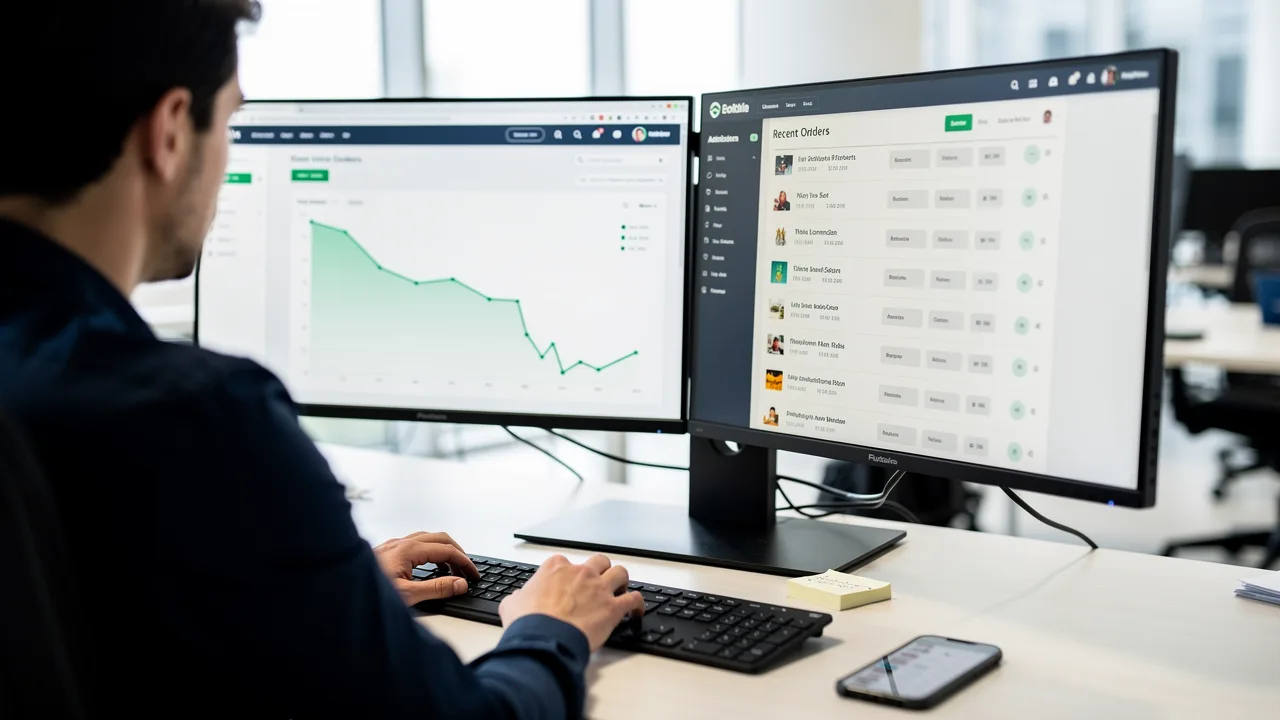
"Conversion rate dropped overnight. What do you check first?"
"First I'd confirm it's real. I'd check whether tracking is still firing, because a broken analytics tag or a cookie banner change can make conversion look like it fell off a cliff when sales are fine. I'd compare against actual orders in the store admin. If orders really are down, I'd check whether checkout works by placing a test order myself, on desktop and on my phone. Then I'd look at what changed: a theme update, a new app, a price change, a promo that ended, an ad campaign sending different traffic. I'd segment by device and traffic source, because a drop that's only on mobile, or only from one campaign, points straight at the cause. Whatever I find, I'd tell the team what I know and what I don't yet, early, instead of waiting until I have the full answer."
The order is what makes it work. Tracking, then real orders, then checkout, then changes, then segments, and each step rules out a whole category before you spend time on the next. Memorize it tonight.
Ecommerce manager interview questions
You'll still get metrics questions here, but now they want judgment about money and people. The ecommerce manager job is mostly deciding what not to do.
- How would you spend your first 90 days here?
- We have budget for one big project this quarter. How do you choose?
- Tell me about a time you killed a project or a promotion.
- How do you work with marketing when you disagree about a discount?
- How do you think about margin versus revenue growth?
- How would you decide whether to add a new sales channel, like Amazon?
- How do you handle a peak season like Black Friday?
The 90-day question is where people overprepare. Don't walk in with a redesign. A better shape: the first month is listening and learning the numbers, the second is fixing the obvious leaks you found (slow pages, a broken flow, a product feed with errors), and the third is proposing one or two bigger bets backed by what you learned. You don't know their store yet, and saying so plays well.
The margin versus revenue question is a trap for anyone who only talks about sales. Here's a sample answer that holds up:
"Revenue is easy to buy. You can always run a deeper discount or spend more on ads and watch the top line go up. What matters is what's left after discounts, shipping, returns, and acquisition cost. So I'd look at contribution margin per order and by channel. If a promotion doubled orders but each order made us almost nothing after free shipping, I'd call that a cash flow event, not a win. I'd still run promotions, but I'd set a floor on margin before we start, and I'd measure it after."
I like that answer because it names a number you'd track and a rule you'd set, where most people say something vague about balancing growth and profit.
The Black Friday question is mostly about preparation. I'd mention a code freeze on the theme in the weeks before, load testing or at least checking app limits, promo codes tested in combination, inventory counts confirmed, and someone watching the store on the day. If you've lived through one, tell that story instead of the checklist. If you haven't, say so, then plan it out loud.
Curious about pay at this level before you negotiate? My ecommerce manager salary breakdown goes into the ranges by company size.
Questions to ask them
Your questions at the end tell them how experienced you are, sometimes more than your answers did. A few that land well:
- "What platform is the store on, and what's the biggest thing it can't do for you right now?" You learn where the pain is, and you'll probably be the one fixing it.
- "Who owns the numbers?" Find out whether you'd report on conversion and revenue, or whether that sits with marketing or finance.
- "What does a launch look like here, from idea to live page?" If nobody can answer cleanly, the process is you.
- "What happened last peak season?" Their answer tells you whether they plan ahead or firefight.
For a manager role, add "What would you want me to have changed a year from now?" so they have to say what success looks like.
Bring one portfolio piece
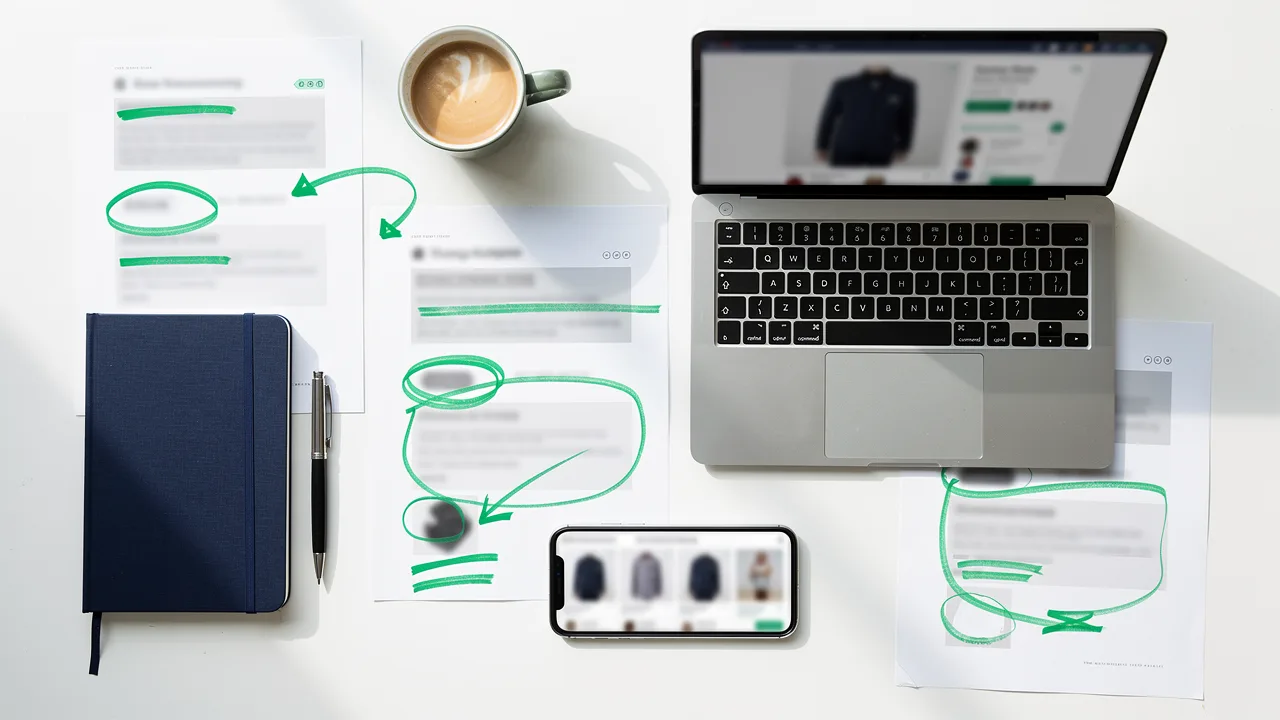
Most ecommerce candidates show up with a résumé and nothing else, which is your opening. Pick a real store, ideally one in the same industry as the company you're interviewing with, and do a teardown. One to three pages, or a short slide deck. Open with a two-line summary of the store and who it sells to, then cover:
What works. Be specific: "The product photos show the item in use, and the size guide is right next to the add-to-cart button."
Where they're losing sales. A slow mobile page, a confusing collection structure, no reviews on the bestsellers, a shipping cost that only appears at checkout.
What you'd test first and why. One or two changes, the metric you'd watch, and what result would tell you it worked.
Build it only from what you can see publicly (don't pretend to know their revenue). Run their pages through Google's PageSpeed Insights, click through checkout until the payment step, and sign up for their emails to see what arrives.
Then, when they ask "how would you improve a product page that doesn't sell?", you don't answer in theory. You say "I did this for a store in your space, can I show you?" I think that's the strongest thing a candidate without the job title can do, because you're no longer describing the work, you're handing them a sample of it. A free Shopify development store with one collection and a promo set up gives you something else to screen-share.
What you can't prep for
Somebody will ask about a tool you've never used. "I haven't used that one, but here's the closest thing I have, and here's how I'd get up to speed" is a fine answer, since ecommerce teams swap apps constantly. Bluffing is what they don't forgive. Pretend to know Google Merchant Center, get one follow-up question, and the interview's over.
The line I'd keep in your head walking in: they're hiring someone to protect the store's money, so every answer should show you'd notice when it's leaking.
FAQ
What questions are asked in an ecommerce interview? Expect questions on how the store makes money (traffic, conversion rate, average order value, margin), live-site problems like a wrong price, platform experience (often Shopify), and scenarios like a sudden drop in sales. Manager roles add budget and team questions.
How do I prepare for an ecommerce specialist interview? Learn the core metrics and how they connect, rehearse a step-by-step answer to "conversion dropped, what do you check," and bring one portfolio piece, like a teardown of a store in their industry. Hands-on time in a Shopify admin helps a lot.
Do ecommerce interviews include a test or assignment? Sometimes. Common ones are auditing a product page, writing product descriptions, cleaning up a product spreadsheet, or proposing a promotion plan. Treat it like real work: short, and checked twice.
Can I get an ecommerce job without direct experience? Yes, especially at the coordinator level. A store teardown, a small development store you built, and fluency with the basic metrics can make up for a missing job title. Read is ecommerce a good career for the honest version of what the climb looks like.
Walking in, it can feel like they're deciding whether you belong. Mostly they're trying to picture you looking after their store, and you can prepare for that.
If you want structured practice on the platform side, the ecommerce specialist career path inside CodingPhase has you building Shopify stores from scratch, and the membership includes a résumé builder built to pass ATS screening plus a job board. And if you're wondering where this road leads, here's what the ecommerce director job looks like.
Go do the teardown this week. Then walk in and show them. I'm rooting for you.