Is Web Administration a Good Career?

On this page
There's a story that follows web administration around: it's not "real" tech. It's glorified button-clicking. The thing you settle for when you couldn't hack it as a developer.
I've heard it from people who've never done the job a day in their life.
Here's the funny part. The people saying it usually picture the wrong job entirely. A web administrator isn't the person babysitting servers or fighting off hackers at 2 a.m. That's IT. A web administrator runs a company's website day to day through the CMS: publishing content, building landing pages for campaigns, updating products and promos, checking every page before it goes live, keeping the brand consistent across hundreds of URLs, and filling in the SEO fields that decide whether anyone finds the site at all.
So no, it isn't heavy coding. And that's exactly the point. It's the job that gets you paid to work in tech without spending a year grinding algorithms first. The "not real tech" crowd is accidentally describing the biggest advantage this career has.
The question isn't whether it's respectable enough. It's whether it's a good career for you, with the pay, the ceiling, and the tradeoffs laid out plainly. That's what I'm going to do here, with nothing sanded off.
The honest verdict, up front
Yes, web administration is a good career for the right person.
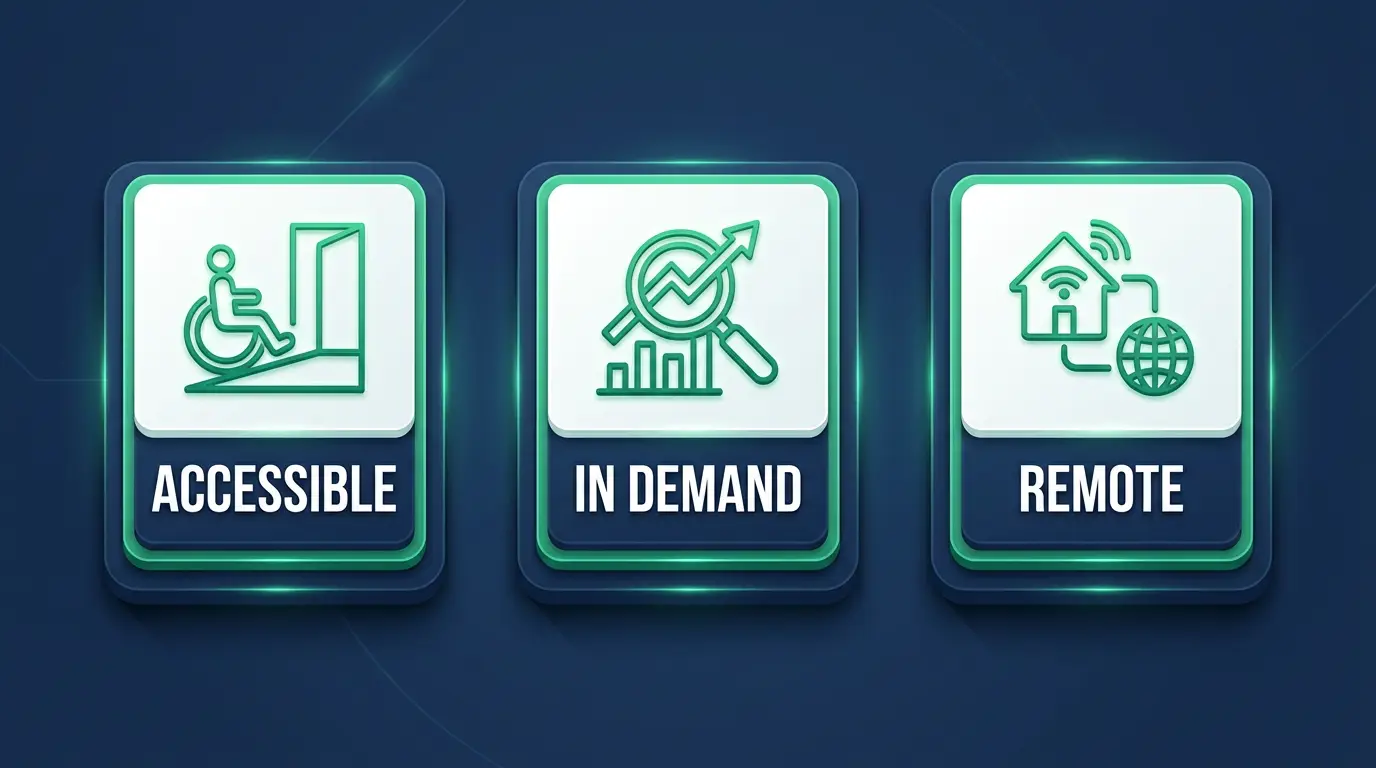
It might be the most accessible path into tech, period. Every company with a website (which is every company) needs someone publishing and maintaining what's on it. The technical bar is honest: solid HTML and CSS, real fluency in a CMS, and enough awareness of hosting to hold a conversation with the technical folks. It works remotely. And it sits one step away from marketing operations, e-commerce management, and SEO.
But "good for the right person" is doing a lot of work in that sentence. It's not a fit for everyone, and the pay has a ceiling that development doesn't. I'll get to all of it.
The genuine case for it
Here's what makes this job genuinely worth your time.
The entry bar is the lowest in tech. You don't need a four-year computer science degree or six rounds of leetcode. You need clean HTML and CSS, fluency in a CMS like WordPress or Shopify, and the judgment to ship work that looks right the first time. That's a skill set you can build in months, not years. If the gatekeeping in software dev has burned you out, this is a real door.
Every company with a website needs one. Websites don't fill themselves. New pages, product updates, seasonal promos, event announcements, pricing changes, someone has to build and publish all of it, correctly, on deadline. Restaurants, law firms, e-commerce shops, agencies, nonprofits, most of them have no developer on staff, and all of them have content that needs to go live this week.
The job hides under several titles, and that widens your market. The same core role gets posted as webmaster, web producer, web content manager, or e-commerce specialist. Search all four alongside "web administrator" and your job market roughly quadruples overnight. Most people applying only search one.
It's remote-friendly by nature. The entire job happens in a browser: the CMS, the analytics dashboard, the task board. A laptop and a connection is the whole setup. That's why there's a real market for remote web administrator jobs right now.
It's a launchpad, not a cage. Run a company's website for a year and you learn how content, campaigns, and revenue actually connect, which is the exact foundation for marketing operations, e-commerce management, and SEO. And if you catch yourself enjoying the HTML more than the publishing, it's a natural bridge into development. I've watched people start as the WordPress person at an agency and end up running e-commerce for a whole brand, because they treated admin as the first chapter and not the whole book.

The honest counter-case
Now the part the job listings skip.
The work can get repetitive. Publishing your fortieth product page feels a lot like your thirty-ninth. There are genuinely interesting stretches (a site migration, a big campaign launch) but the day to day is production work. Production work has a rhythm that some people find satisfying and others find numbing. Be honest with yourself about which one you are.
You're often executing someone else's requests. Marketing decides the campaign. Design decides the look. You make it real on the site. There's real craft in doing that fast and flawlessly, but if you need to be the one making the creative calls, this seat will chafe until you grow into a role that has them.
The pay ceiling sits below developer roles. A good web administrator earns a real living, but a senior software engineer will out-earn a senior web admin who stays in the same lane. If maximum salary is your only goal, know that going in. (I broke the actual numbers down in the web administrator salary guide so you can see real ranges, not vibes.)
The title doesn't carry prestige. Say "software engineer" at a party and people nod. Say "web administrator" and you'll explain it. If status matters to you, this stings a little. It shouldn't drive your decision, but I won't pretend it isn't there.
Who it's a great fit for, and who should skip it
This is a great fit if you are organized, catch the details other people miss (the typo in the headline, the broken link, the off-brand shade of green), and get real satisfaction from finishing things and shipping them. It's especially strong for career changers coming from admin work, marketing, retail, or any job where you already juggled deadlines and details, because it takes skills you already have and points them at tech pay.
You should probably skip it if you want to build software all day. If your happy place is writing code and designing systems, go learn development directly. Using web administration as a waiting room for the job you actually want is a fast path to resentment.
Does it have a future? The AI question, answered straight
This is the fear underneath every "is it a dead-end" question right now. Let me answer it directly.
AI is already inside this job. It drafts product descriptions, writes first-pass landing page copy, suggests meta titles, and speeds up almost every step between "we need this page" and "it's live."
If your value was only typing content into fields, yes, you should be nervous.
But here's what AI doesn't do. It doesn't own what goes live. It doesn't catch the wrong price on the promo page before the email blast goes out. It doesn't notice the hero image that's off-brand, or take responsibility when a broken checkout link ships to fifty thousand subscribers. Someone still has to QA every page, protect the brand, and answer for the site.
Web administration isn't typing. It's ownership of what the company publishes. AI hands you a faster keyboard. It can't be the person whose name is on the outcome.
The admins getting more valuable right now are the ones using AI to ship three times the pages at the same quality, then spending the freed-up hours on the judgment calls machines can't make. The ones getting squeezed are the ones who only ever copy-pasted.
The reframe I want you to keep: AI doesn't replace people who own what ships, it replaces people who only do the typing. Be the owner.
The final verdict
Is web administration a good career? Yes, if you go in clear-eyed.
Treat it as a skilled, remote-friendly way to get paid in tech now, and it delivers for years. Treat it as a launchpad into marketing ops, e-commerce, or SEO, and it can be one of the smartest first moves you make. Treat it as a place to coast on copy-paste, and AI plus cheap tooling will slowly close the door.
The career is real. What you build on top of it is up to you.
FAQ
Is web administration a dead-end job? No, not unless you let it be. The role opens directly into marketing operations, e-commerce management, SEO, and even development if you lean technical. People who keep learning use it as a launchpad. People who stop learning get stuck, which is true of any job.
Do I need a degree to become a web administrator? No. You need solid HTML and CSS, real fluency in a CMS, an eye for detail, and proof you can publish clean work on deadline. A degree can help in some corporate settings, but plenty of working admins got hired on skills and a portfolio instead. Here's how to become a web administrator without one.
Will AI replace web administrators? AI speeds up the drafting and the publishing, not the ownership. Someone still has to QA what goes live, keep the brand consistent, and be accountable when something ships wrong. Admins who use AI to publish more are getting more valuable, not less.
How much do web administrators make? It varies by experience, location, and whether you go corporate or freelance. The honest ranges are in the web administrator salary guide. The ceiling is lower than developer roles, but the floor is solid and the paths upward are real.
Can web administration be done remotely? Yes. It's one of the most remote-friendly roles in tech because the entire job lives in a CMS and a browser, not an office. The remote job market for it is healthy.
If this sounds like the kind of work you'd actually enjoy, don't guess your way into it. Map the path first. Our web content manager career path lays out the exact skills, the order to learn them in, and how to turn them into a job offer.
I started where you are, unsure if a tech career was even possible for someone like me. It was. Pick one skill from that path this week and start. I'm in your corner.