The Best PHP Frameworks (and Which One Actually Gets You Hired)
On this page
Framework-shopping is just procrastination wearing a productive costume. I'll say it plainly: every weekend you spend hunting for the "perfect" PHP framework is a weekend you didn't spend becoming a developer. Learn Laravel. Start building. That's the whole secret most beginners burn months avoiding.
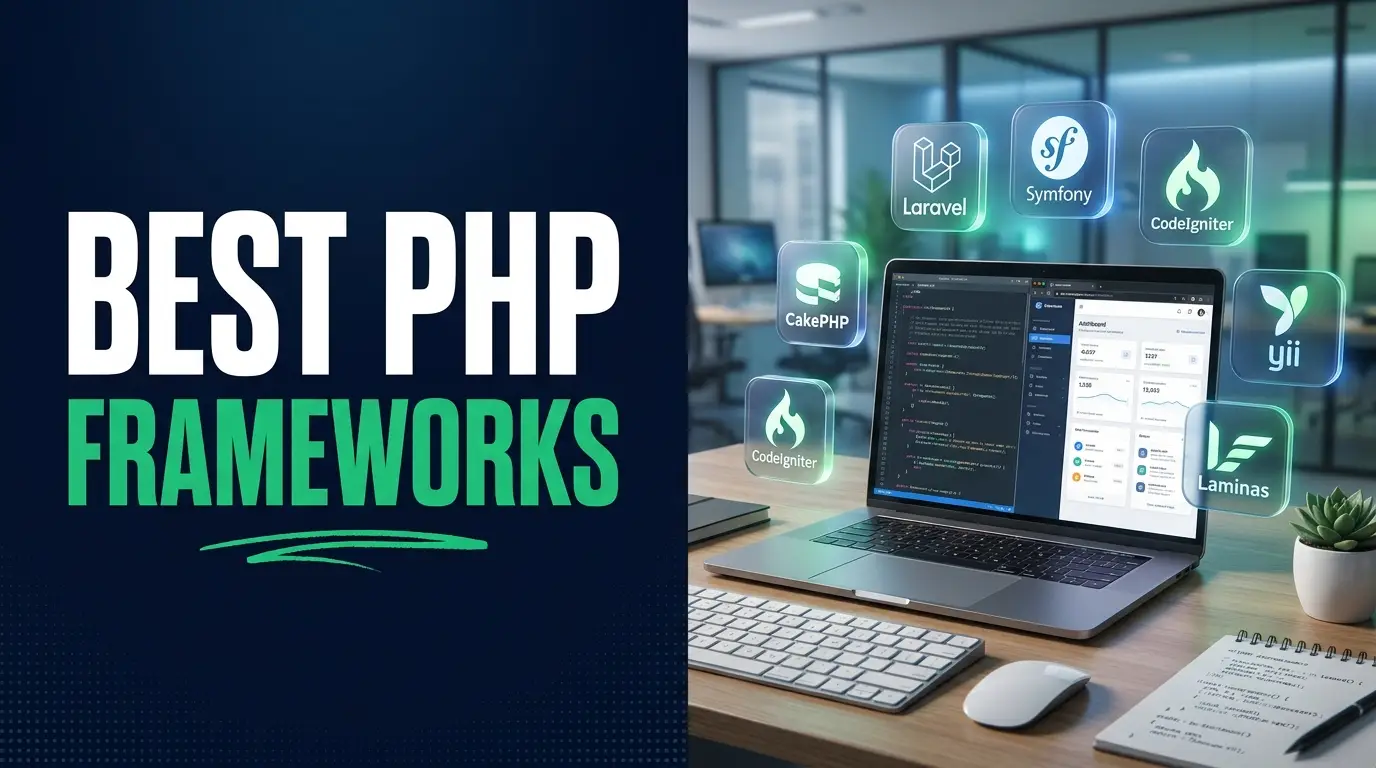
I know why you're hesitating. You've got ten tabs open comparing Laravel, Symfony, CodeIgniter, and three others you'd never heard of yesterday. Every video swears its pick is the fastest, the cleanest, the future. So you keep researching instead of coding, because researching feels productive and building feels scary.
But "which PHP framework is best" is the wrong question. The honest answer to the question you actually care about, which is "what gets me hired and shipping real work," barely changes from year to year. And it's not a close call.
That doesn't mean the other frameworks are useless. They're not, and I'll be straight with you about where each one genuinely wins. There are real reasons you might reach for Symfony, or run into CodeIgniter on the job, and you should know them.
So let me walk you through the whole PHP framework landscape the way I'd lay it out for a student sitting across from me, and tell you which one to actually open first.
How I'm actually judging these
I'm not ranking these by how clever the code looks. I'm ranking them by the thing you actually care about, which is getting paid to write PHP. Four questions decide it:
- Job demand. How many real listings name this framework? Not "is it good," but "will it get you interviews?"
- Ecosystem and tooling. Packages, docs, community, deployment tools. A great framework with a dead community will leave you stuck at 2am with no answers.
- Learning curve. How fast can you go from zero to building something real and showable?
- Where it leads. Junior gig, enterprise career, freelance work, or a dead end?
Keep one thing in your head the whole way through. The framework is leverage. Your real skill is PHP itself, plus how the web works. Frameworks come and go. The person who understands what's happening underneath gets hired no matter which one is trendy that year.
Laravel: the one I'd tell you to learn first
If you only have time for one, learn this. It's not close.
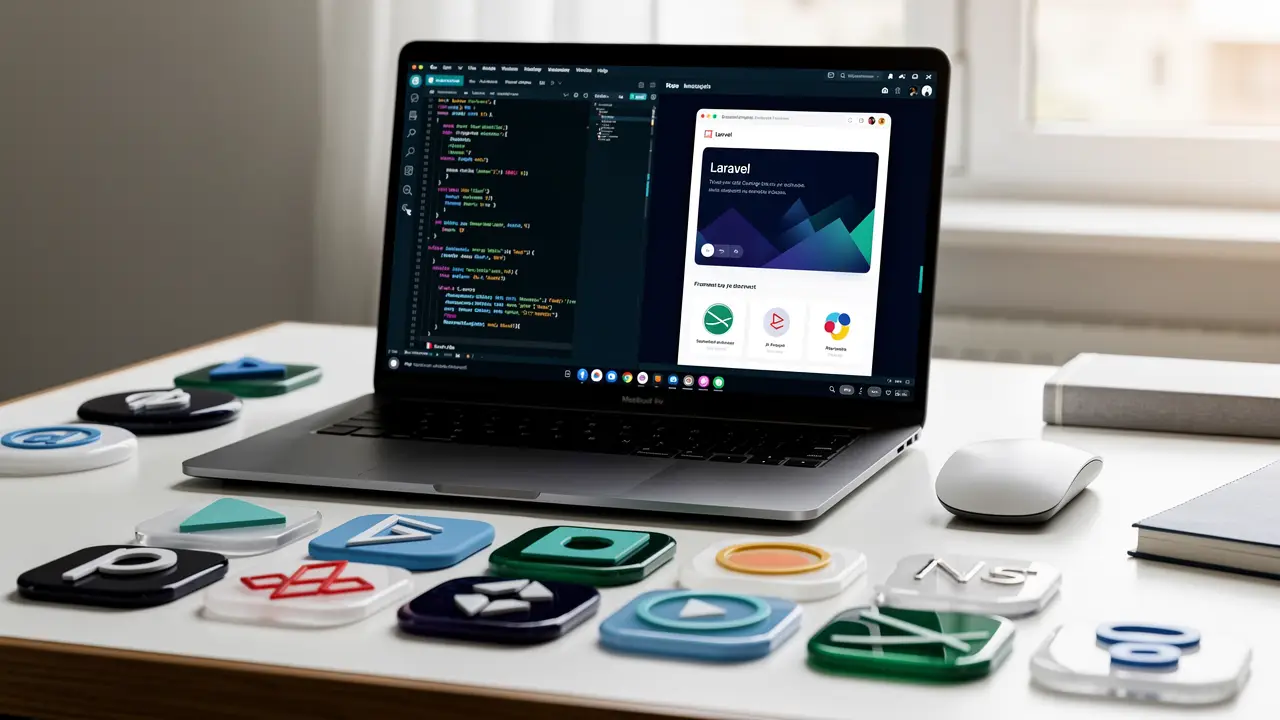
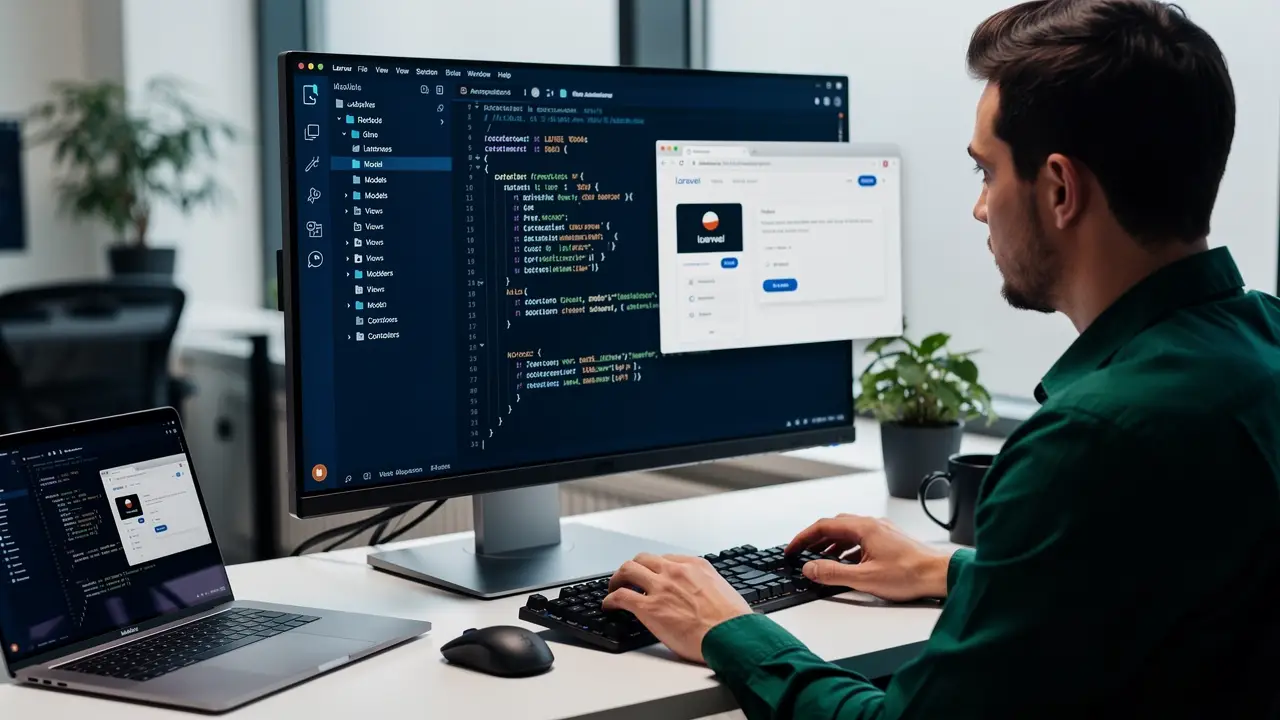
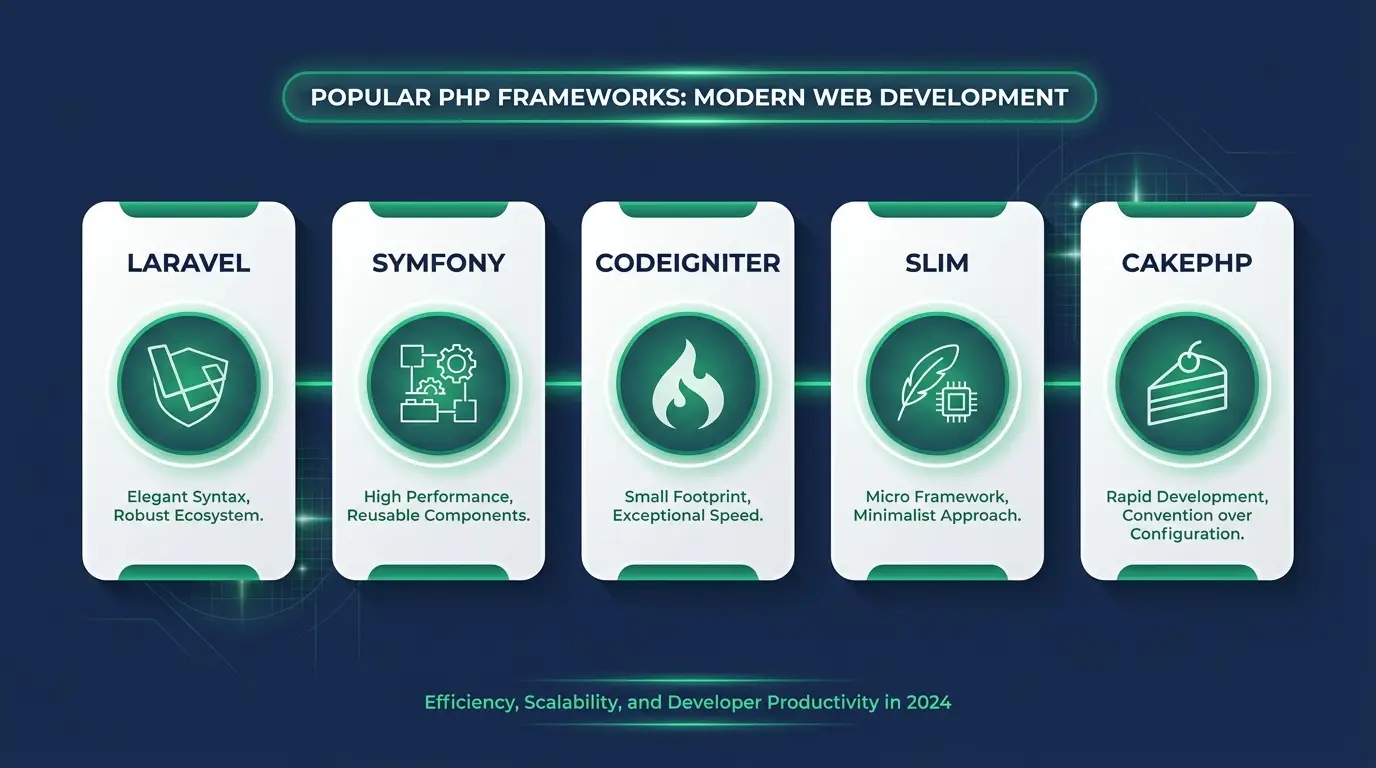
Laravel has the biggest PHP job market by a wide margin. When companies post for a "PHP developer" today, they very often mean a Laravel developer. The developer experience is genuinely the best in the language. Eloquent for the database, Blade for templates, queues, auth scaffolding, and a first-party stack (Forge, Vapor, Livewire, Filament) that takes you from idea to deployed app without leaving the ecosystem.
The docs are excellent. Laracasts exists. When you hit a wall, someone has already posted the answer.
The honest cons. Laravel is opinionated. It wants you to do things the Laravel way, and when you fight it, you lose. It can also feel heavy. There's a lot of magic happening behind the scenes, and if you skipped your fundamentals, that magic becomes a black box you can't debug. The "facades everywhere" style also annoys developers who came from stricter backgrounds.
Who it suits. Almost everyone aiming for a PHP job, especially anyone targeting startups, agencies, and product companies. This is the highest-employability path in PHP right now. If you're plotting the whole route, I broke it down in how to become a PHP developer.
Symfony: the enterprise workhorse
Symfony is the serious, robust, grown-up framework. And here's a fact most beginners don't know: Laravel is built on top of Symfony components. The routing, the console, the HTTP foundation underneath your favorite framework? That's Symfony.
It's everywhere in European enterprise, large platforms, and codebases that need to live for ten years. Drupal runs on it. So do big chunks of the boring, profitable software the internet actually runs on.
The honest cons. The learning curve is steeper. Symfony asks you to understand configuration, services, and dependency injection earlier than Laravel does. It's less "build a blog in an afternoon" and more "build a system that scales." For a complete beginner it can feel like a lot of ceremony before you ship anything.
Who it suits. People targeting enterprise roles, larger salaries at established companies, and anyone who already knows OOP well and wants depth over speed. A strong second framework after Laravel, and a real career on its own.
CodeIgniter: light, easy, and shrinking
CodeIgniter is small, fast to pick up, and forgiving. There's almost no magic. You can read the whole thing and understand it, which is genuinely nice when you're learning how a framework works.
That's the upside. The downside is the job market.
The honest cons. Modern demand is smaller and getting smaller. You'll find CodeIgniter mostly in older codebases and maintenance work, not in the listings that startups are posting this year. Learning it teaches you good MVC habits, but it won't open as many doors as Laravel.
Who it suits. Someone who already has a CodeIgniter job, or someone who wants the gentlest possible introduction to MVC before moving to Laravel. Good teacher. Weak resume line on its own.
CakePHP: convention-driven and a little dated
CakePHP was one of the originals. It's convention-over-configuration, so once you learn its patterns, a lot gets generated for you. There's still an active community and the framework is maintained.
The honest cons. It feels legacy. The job market for new CakePHP roles is thin, and most of what's out there is maintaining existing apps. You're not going to find a wave of companies starting fresh projects on Cake in 2026.
Who it suits. Maintenance roles and existing CakePHP shops. I wouldn't pick it as your first framework with a job as the goal.
Slim: the micro-framework for APIs
Slim isn't trying to be Laravel. It's a micro-framework, which means it gives you routing and middleware and gets out of your way. No Eloquent, no Blade, no scaffolding. You assemble what you need.
It's great for small APIs and services where pulling in a full framework would be overkill. It's also a wonderful way to actually understand request and response cycles, because there's no magic hiding them from you.
The honest cons. It's a tool, not a career path. You won't see many "Slim developer" listings. It's something you reach for inside a bigger job, not the thing that gets you the job.
Who it suits. Developers who already know PHP and need a lean tool for an API or microservice. Learn it second, for the understanding, not first, for the resume.
Laminas and Mezzio: enterprise and legacy
Laminas is what happened to Zend Framework after the rebrand, and Mezzio is its middleware-based, PSR-friendly sibling. These are serious, standards-heavy, enterprise tools.
The honest cons. Steep, verbose, and mostly living in older corporate codebases. New projects rarely start here. Beginners almost never need to touch it.
Who it suits. Developers walking into an enterprise shop that already runs it. If a job requires it, the job will pay you to learn it. Don't study it on spec.
A quick word on WordPress
WordPress is not a framework. It's a CMS. But pretending it doesn't matter to PHP careers would be dishonest, because a huge slice of the PHP job economy lives there. A massive share of the web runs on WordPress, and the demand for people who can build custom themes, plugins, and Gutenberg blocks is real and steady.
It's a different lane than Laravel work, and the pay ceiling can be lower for basic theme tweaking. But custom WordPress and WooCommerce development is a legitimate, paying corner of the PHP world. Don't sneer at it. Just know it's a separate path, not a replacement for learning a real framework.
So which one do you learn first?
Laravel. Then stop overthinking it.
Learn Laravel deeply enough to build and ship a real app. That single skill opens more PHP doors than any other choice you can make right now. Once you're comfortable and employed, go learn Symfony, because understanding it makes you better at Laravel and unlocks the enterprise tier.
Here's the line I want you to keep: the framework is your leverage, but PHP fundamentals are the real skill. Frameworks change every few years. The developer who understands HTTP, OOP, databases, and how the request actually flows is the one who survives every trend and gets hired through all of them.
When you've built something in Laravel, show it. A clean project tells a hiring manager more than any certificate. I collected some strong ones in PHP developer portfolio examples.
FAQ
Which PHP framework is most in demand for jobs? Laravel, clearly. It dominates job listings for PHP developers, especially at startups, agencies, and product companies. Symfony is a strong second, particularly in enterprise and European markets.
Should I learn Laravel or Symfony first? Laravel first. It gets you building and employable faster, and its developer experience keeps beginners motivated. Symfony is the natural next step once you're working, and since Laravel runs on Symfony components, learning it later makes you a sharper Laravel developer too.
Is CodeIgniter still worth learning in 2026? Only in specific situations. It's a gentle way to learn MVC, and it's useful if you've landed a job maintaining a CodeIgniter app. But for opening new doors, your time is better spent on Laravel.
Do I need a framework to get a PHP job? For most modern roles, yes, and that framework is usually Laravel. But the framework sits on top of fundamentals. Employers can tell instantly whether you understand PHP itself or just memorized framework commands. Learn both, fundamentals first.
Is WordPress a PHP framework? No, it's a content management system. But it's built in PHP and represents a large, real part of the PHP job market through custom theme, plugin, and WooCommerce work. It's a separate career lane from Laravel development, not a substitute for it.
If you take one thing from this, let it be this: stop hunting for the "perfect" framework and start building something real in Laravel this week. The job comes from what you can show, not from the framework you picked on paper.
When you're ready to map the whole route from beginner to hired, walk through the PHP developer career path. And if you want a structured way to get there instead of guessing your way through random tutorials, that's exactly what we build people through at codingphase. You don't have to figure this out alone. I've got you.